
29 Oct Beyond the Mask: Revealing My ADHD
I have ADHD. After more than 25 years as an occupational therapist, I’m seeing parts of my own childhood and adult life in a new light. It’s fitting that I’m sharing this during October, when Halloween and ADHD Awareness Month invite us to think about the masks we wear and the truths we keep hidden.
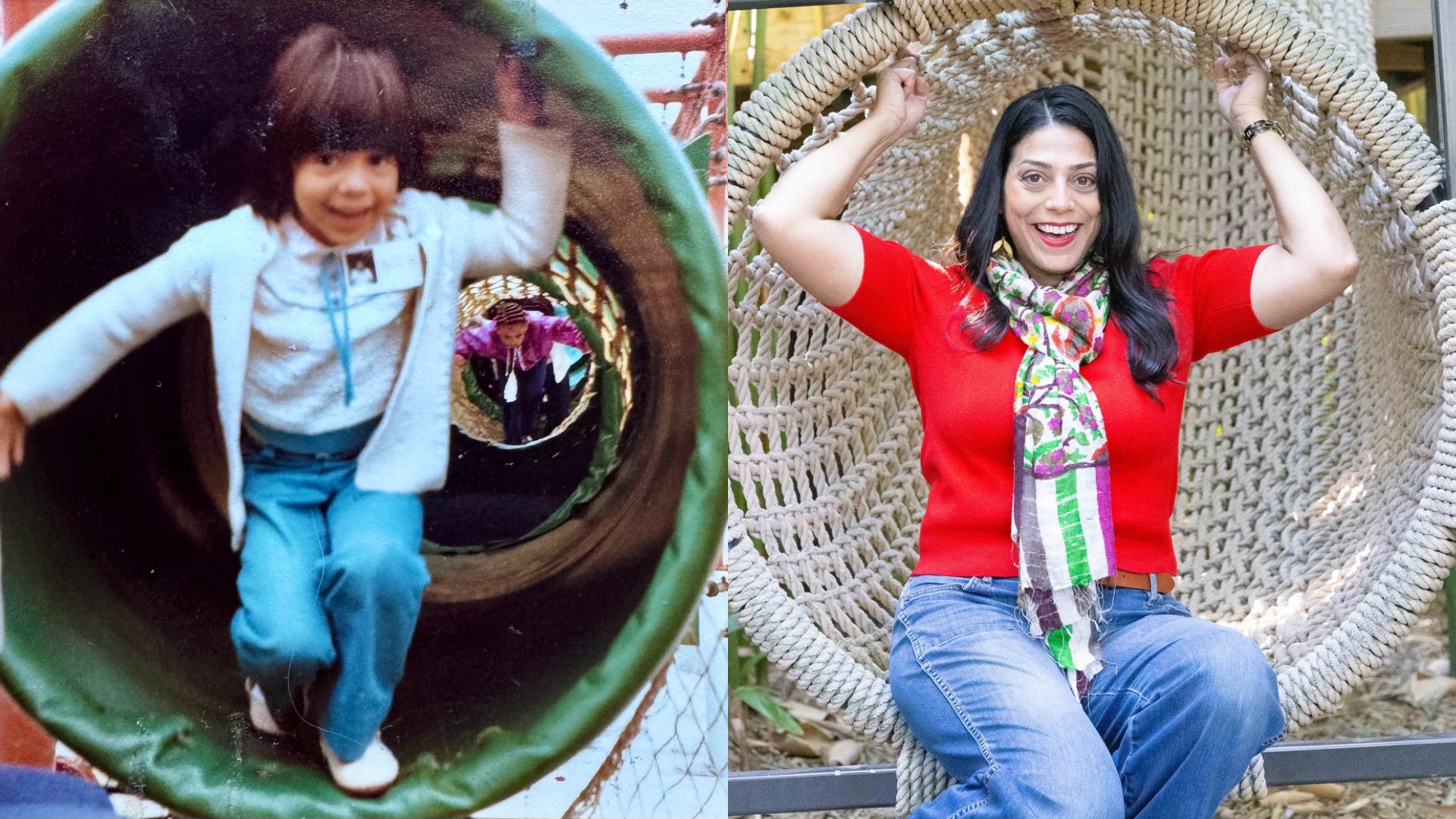
Looking back, I can see how some of the things I experienced as a child make more sense to me today. The girl I was and the woman I am today may look different, but they’re connected by a story I’m only now beginning to fully understand. This year, I’m ready to take off the mask, share what I’ve learned, and reveal a part of myself I never expected to discover.
When I Started Seeing Myself in My Clients
I can’t remember exactly when the idea first occurred to me. I don’t blame myself, though. Forgetfulness can be one of the challenges of ADHD. Things started to click a few years ago when I noticed an increase in the number of girls with ADHD on my caseload. At first, I thought I simply related to the girls. In the past, I could go months, even years, without having an elementary school-aged girl on my weekly schedule. Then I began recognizing pieces of my own childhood in their experiences. Could I have ADHD too? It is in my family. How could I not have realized it until now?
Looking Back at My Childhood
ADHD symptoms must begin in childhood, with several symptoms present before age 12, for a diagnosis. A comprehensive evaluation considers a person’s developmental history and whether symptoms affect functioning in different settings (Centers for Disease Control and Prevention, 2026). Without sharing too much of my medical history, I will say that there was reason to believe many of my childhood symptoms were related to an overactive thyroid. Playing sports, doing well in school, and avoiding disruptive behavior may also have made my ADHD less noticeable. These factors help explain why ADHD can go unrecognized in some children, particularly girls.
My experience reflects a pattern reported by many women who receive an ADHD diagnosis later in life. Historically, ADHD research and diagnostic practices have often focused on boys, contributing to gaps in recognizing ADHD in girls. Girls may show less overt symptoms or use compensatory strategies that make their difficulties less apparent to others (Hinshaw et al., 2022).
Teachers may not have recognized less disruptive behaviors, such as fidgeting with my hair, daydreaming, doodling, or talking excessively. Because these behaviors may not have disrupted the classroom, some of the signs I exhibited as a child could easily have gone unnoticed. Looking back, I also believe I could have benefited from additional time on tests. I struggled with anxiety and sleep difficulties as a child, and both continue to affect me as an adult.
Why ADHD Can Look Different in Girls
ADHD is often diagnosed in childhood, and boys are diagnosed more frequently than girls. Research suggests that this gap narrows by adulthood, in part because ADHD may go unrecognized in girls and women (Hinshaw et al., 2022). For some women, becoming a parent may bring previously unrecognized ADHD traits into focus as the demands of daily life increase. Although I don’t have children of my own, my work with children has given me a front-row seat to the increasing recognition of ADHD in girls, particularly the inattentive presentation that I have.
ADHD doesn’t look the same in everyone. Research suggests that girls and women are more likely to show inattentive symptoms, which may be less noticeable than the hyperactive or impulsive behaviors often associated with ADHD. These differences can contribute to delayed recognition and diagnosis (National Institute of Mental Health , 2024). Girls may struggle more quietly, masking their difficulties to fit in or meet expectations. Some girls also experience verbal hyperactivity or impulsivity, work hard to hide mistakes, or develop perfectionistic habits to compensate for organizational challenges. As a result, clinicians may overlook their ADHD or attribute their difficulties to other conditions, such as anxiety or depression.
The PROGRESS Approach: Strategies That Help
As I recognized more of my own experiences in the girls I treated, I began sharing strategies that had helped me, too. A few years ago, I created the PROGRESS Approach, a framework of practical strategies informed by research and my professional experience.
The PROGRESS Approach
- P — Protein
- R — Routines
- O — Organizational tools
- G — Green time
- R — Rest
- E — Exercise
- S — Sleep
- S — Support team
Today, I speak at conferences and share the PROGRESS Approach with fellow practitioners. You can learn more about the approach on ADHD Progress. I also share practical strategies for supporting people with ADHD, including the benefits of swimming for ADHDers in another post on the Playapy blog page.
Taking the Step Toward Diagnosis
This past summer, I decided to seek a formal ADHD diagnosis from a psychiatric mental health practitioner. ADHD is sometimes used casually to describe behaviors like distractibility or forgetfulness, but I didn’t want to label myself without a professional evaluation from someone qualified to make that diagnosis.
I wanted to speak candidly with my clients and share my experiences as someone who understands their challenges firsthand. I also wanted to offer strategies that have worked for me. Most people wouldn’t guess that I have ADHD. For years, I’ve worked hard to manage my symptoms, meet expectations, and run my business successfully. That effort, however, has often meant masking parts of myself that others don’t see.
Unmasking
Masking involves hiding, suppressing, or compensating for ADHD traits, whether consciously or unconsciously. I wouldn’t necessarily recommend masking as a long-term strategy. Like some adults with ADHD, I learned to mask in childhood to fit in, avoid stigma, and meet social and professional expectations. Sometimes, taking off the mask is exactly what a person needs.
I understand why children may come home from school exhausted after spending the entire day trying to meet others’ expectations. At home, where they feel safer, they may behave very differently. When I first started my career, I sometimes felt as though I were leading a double life: the working professional by day and the artistic performer by night. Looking back, I see how these different sides of myself could coexist. My creativity and performance skills have become assets in my work as a professional educator, public speaker, and YouTuber.
Sharing my diagnosis has helped me better understand myself, and I hope it helps others feel seen, too. I’ll continue sharing what I learn as a woman with ADHD and as an occupational therapist who has spent more than 25 years supporting children and families. If sharing my story helps even one woman recognize herself in these experiences or helps one child feel understood, then taking off the mask will have been worth it.
Amy Baez is the founder of Playapy and creator of the PALS Handwriting Program. She is a neurodivergent pediatric occupational therapist, speaker, and parent educator with over 25 years of experience supporting families with child development services, resources, and coaching. Her professional expertise and personal experiences inform her work helping others understand neurodiversity and discover practical strategies for success.
Centers for Disease Control and Prevention. (2026, October 21). Clinical care of ADHD in children. https://www.cdc.gov/adhd/hcp/clinical-care/
Hinshaw, S. P., Nguyen, P. T., O’Grady, S. M., & Rosenthal, E. A. (2022). Annual Research Review: Attention-deficit/hyperactivity disorder in girls and women: underrepresentation, longitudinal processes, and key directions. Journal of Child Psychology and Psychiatry, 63(4), 484–496. https://doi.org/10.1111/jcpp.13480
National Institute of Mental Health. (2024). Attention-deficit/hyperactivity disorder: What you need to know. https://www.nimh.nih.gov/health/publications/attention-deficit-hyperactivity-disorder-what-you-need-to-know